

This past weekend, I saw a bumblebee. The moment I spotted it, a grin bloomed uncontrollably across my face. I instantly grabbed my phone to take a picture, but it flew away before I had the chance. It will be back soon, along with so many more bees. Seeing that bumblebee felt like a clear and certain sign: gardening season is officially here.
Gardening has become a part of the ever-turning kaleidoscope that is me. It has also been a steady source of joy, especially on the days when my vision was clouded by the heavy lenses of negativity. Gardening is one way I tend to my inner world, pulling weeds of doubt, planting seeds of possibility, and patiently nurturing small joys until they bloom into steady hope, crowding out anxiety and negativity.
Over the past couple of years of gardening, I’ve learned a lot and continue to discover new things each season. I’ve gained practical knowledge about gardening, but I’ve also internalized valuable life lessons. This gardening season feels a little different because I’m not entering it with such a negative mindset. I’ve been working hard to rewire my brain and feel like I’m in a better headspace than I was last year. But wow, gardening has already reminded me just how challenging it can be.
So, if you’re a new gardener or thinking about starting, here are some practical lessons I’ve learned over the years that may help you this season:
Every plant is different and needs specific things to thrive. While they all rely on the basics, sunlight, water, and good soil, the exact conditions they prefer can vary.
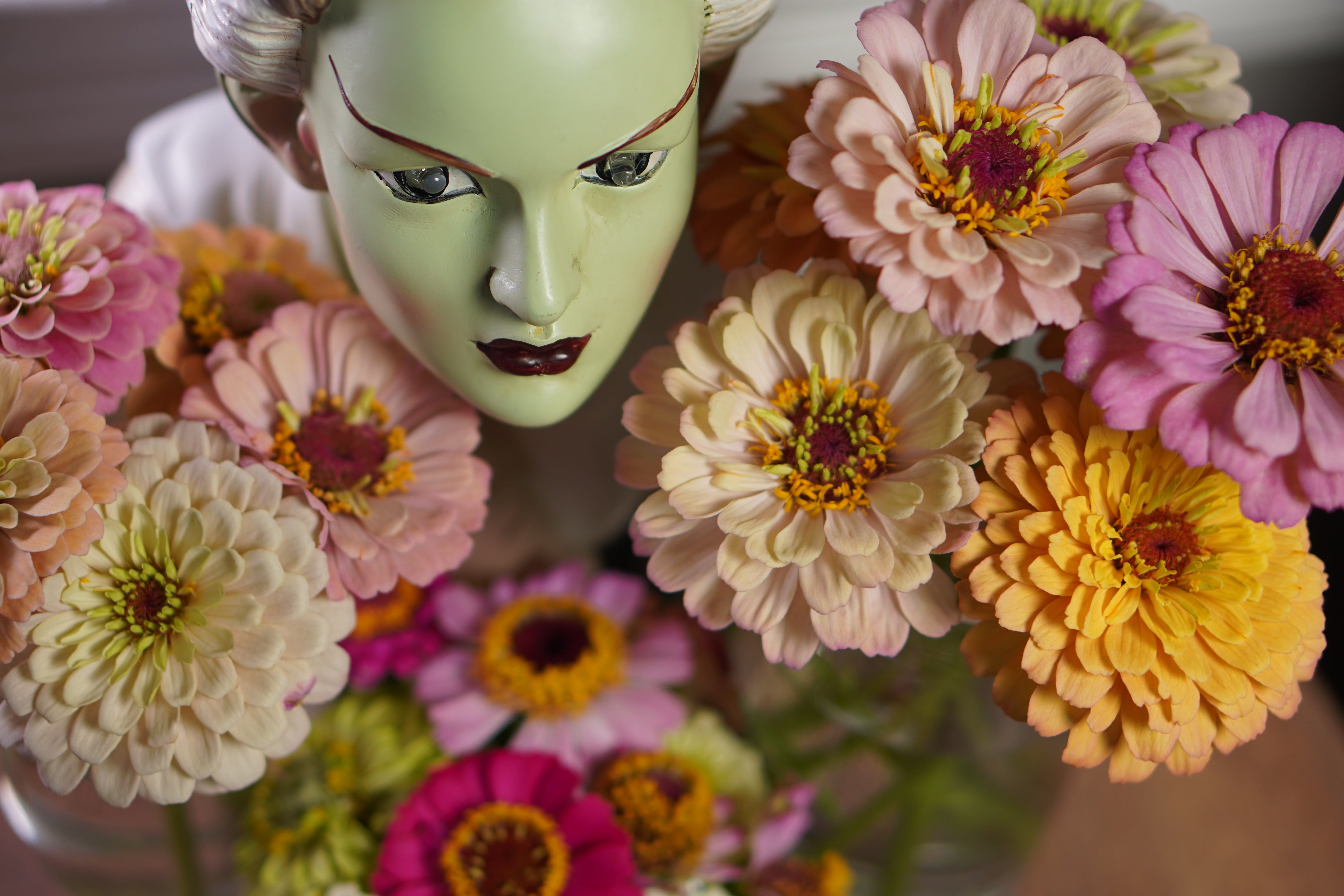
The amount of sunlight each plant needs is different. Plants like sunflowers, zinnias, roses, tomatoes, and peppers love the heat and do best with at least eight hours of direct sunlight a day. They can still grow with less, but their development may be stunted. On the other hand, plants like hydrangeas and hostas prefer partial shade, which means they do well with about three hours of direct sunlight daily.
Temperature requirements vary as well. Plants like snapdragons, violas, pansies, cilantro, lettuce, and spinach thrive in cooler weather and can even tolerate a light frost. Once temperatures climb above 70 degrees, these cool-season plants may wilt, bolt, or go to seed. I learned quickly that I can’t grow lettuce and spinach in the summer—ironic, considering nurseries often sell them during that time. By then, their growing season has already passed or is nearly over.
In contrast, some plants need warmer conditions (above 70 degrees) to grow well. Zinnias, sunflowers, dahlias, marigolds, cucumbers, tomatoes, and peppers thrive in the heat and are sensitive to frost.


Another lesson I’ve learned is that no two plants grow at the same speed. Many have different days-to-maturity rates, which means patience is essential, especially when waiting for slower-growing varieties to take off.
Plants like Black-Eyed Susans (‘Prairie Sun’) and dahlias, when started from seed, can take up to 120 days to mature. Depending on where you live and the length of your growing season, you may need to start these indoors 4 to 8 weeks before your last frost if you want to enjoy blooms during the summer.


On the other hand, there are faster growers like sunflowers and zinnias, which can go from seed to bloom in just 50 days and can be direct sowed. Cucumbers are another speedy option, producing fruit within 50 to 60 days after planting. They’re also very easy to grow from seed and can be direct sown into your garden. So instead of buying seedlings from a nursery, you can save money by starting them yourself—just be sure to give them something to climb. I learned this last year when I started some indoors and was amazed on how quickly they grew. I will be direct sowing these into the garden this year in a couple weeks.
Tomatoes and Peppers, on the other hand, are trickier to grow from seed and can take up to 100 days to produce fruit. I usually buy tomato and pepper seedlings from the nursery each year and plant them in my garden around Mother’s Day.
“Cut and come again” flowers are some of my favorite varieties. Zinnias, dahlias, black-eyed Susans, and snapdragons are a few that will continue to bloom and produce multiple flowers the more you cut them. Some gardeners even pinch back zinnias, dahlias, and snapdragons once they’ve developed a few sets of true leaves to encourage branching and ultimately more blooms. While this may delay flowering by a few weeks, the reward is a much fuller display of flowers.


It’s important to keep cutting these flowers regularly, even if you’re not planning to bring them indoors. Whether you planted them for the pollinators or simply for their beauty, letting flowers go to seed too early signals the plant to stop producing more. If you don’t cut them, they’ll use their energy to make seeds instead of new blooms.
In general, pruning is essential for plant health. Regularly removing dead or damaged branches and spent blooms helps keep your plants thriving throughout the season.
When I first started gardening, I didn’t know the difference between annual plants and perennial ones. Simply put, perennial plants are those that come back every year. They die back in the winter and regrow in the spring. Peonies, roses, hostas, and coneflowers are all considered perennials.


Annual plants, on the other hand, only grow for one season and need to be replanted each year. Some common annuals include sunflowers, zinnias, marigolds, and cosmos.
Another crucial care tip I wish I’d known sooner is about providing support—especially for plants that grow taller than three feet. There are so many factors we can’t control in the garden, and weather is one of the biggest. A strong thunderstorm or even a windy day can bend or snap tall plants if they’re not supported properly, and that kind of damage can be fatal. This year, I’m using a netting system to help support my taller plants like dahlias, zinnias, snapdragons, and sunflowers.
Let’s talk about pests. They are the bane of my existence, and I am in a constant battle with them. I’ll admit, I learn something new every year—and I’ve already gone to war with aphids, in April!
Earwigs are the absolute worst. Armando and I have fought many battles against them over the years. Here’s the hard truth: you will never completely win the war with pests. You grew delicious plants and expected them to stay away? Ha! I was delusional when I thought I could control pests.
Now, there are natural ways to minimize the damage, but they require consistency. This isn’t a one-and-done situation—you have to stay on top of it. For example, I spray neem oil on my plants and apply Sluggo Plus to garden beds or containers. You can also set up traps by pouring vegetable oil and a few drops of soy sauce into a plastic cup and placing it in your raised beds or containers. The earwigs are drawn to the soy sauce and then drown in the oil. Is it gross? Yes. Is it effective? Also yes. Will it kill all the earwigs? No, but it will slow them down.
I’ve also made the mistake of spraying harsh pesticides to try to control pests. It works—for about two weeks. Then the horrible pests come back with a vengeance. The problem with chemical sprays is that they kill off all the beneficial insects too. And if you have plants that attract pollinators and helpful bugs, they’ll not only pollinate your fruiting plants, but they’ll help you with pest control as well. That’s why I now avoid using harsh chemicals in the garden. They’re harmful to the environment and can seriously hurt our pollinators and other important allies.
I don’t have all the answers when it comes to garden pests. What I do know is this: there will be pests, and you won’t be able to control them all. But I’ll keep planting things that invite beneficial insects to be my little soldiers. I’ll feed them well, and they’ll hunt the pests for me. Win-win.


Out of all the lessons I’ve learned about gardening, this is one every new gardener needs to hear: YOU WILL KILL PLANTS! There’s no way around it, and it’s okay. It’s part of the gardening experience.
A dead plant doesn’t mean you’re a failure. It’s simply an opportunity to learn what went wrong. Did you not water enough? Did you give them too much love and overwater them? Yes, it’s absolutely possible to overwater plants. Maybe they weren’t in a spot that got enough sunlight, or maybe they needed more shade.
Bottom line: if you kill a plant, don’t give up. Instead, I invite you to learn from it and try again. The garden will always give you another chance. That is the thing about gardening. It is not about control. It is about partnership with nature.
Gardening is a lifelong learning journey. I don’t have all the answers, but I continue to learn something new each season. Thankfully, there are so many great resources available to us. One of my favorites for flowers is the Floret Farms Website. If you want to learn more about growing flowers, I highly recommend exploring the library section on their site.
Watching plants go through their full life cycle is a beautiful experience, and I encourage you to bring it into your life in any way you can. Gardening is so much more than growing plants—it has taught me valuable life lessons about patience, resilience, and letting go of control. In my next post, I’ll share more about how tending to my garden has helped me tend to my inner world too.
A quick note: I’ll be shifting to posting every other week for the foreseeable future. Thanks so much for being here and growing with me. I appreciate your support and readership!


