

It’s day 13, and I have failed to contain the fungus.
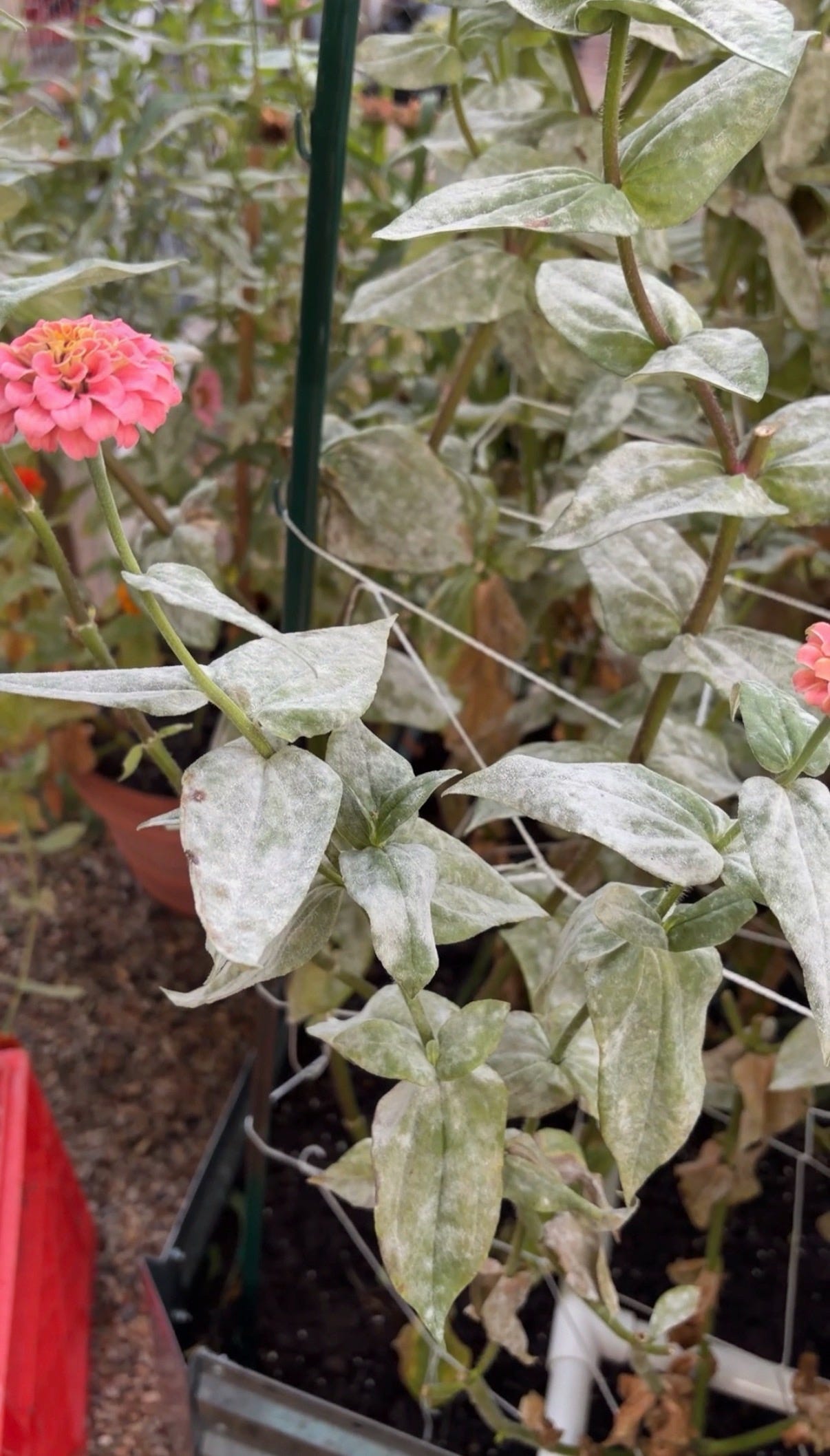
The zinnias have succumbed to the white plague. Most of them stand pale and ghostlike, still using the last of their energy to reproduce. They must make babies before the plague consumes them.
The dahlias were the first to completely turn, and for the first time ever, the black-eyed susans have been affected. I have identified patient zero as the bee balm. I cut off all its limbs and removed its corpse entirely from the enclosure.
The volunteer sunflowers are literally at the epicenter of the outbreak, yet somehow remain unaffected. They seem to have a suppressant in their DNA, rapidly growing new, healthy but wild blooms above the enclosure.
The cherry tomato plant and front garden have not been affected yet, but the wind and high humidity are working against us. It’s only a matter of time at this point.
Francisca scribbled the last observation into her garden journal and looked back at the enclosure, knowing the battle was already lost.
It’s the end of August, and it’s safe to say my garden is exhausted, stressed, and burnt the fuck out. And so am I, which means I have relinquished trying to control everything and keep up with all the garden tasks.
Around this time, I do the bare minimum for the garden, aka watering, and even that is hit or miss. I’m nearing the end of the gardening season, which means the garden is messy, overgrown, and dying. Weeds are living their best life, and powdery mildew has spread like crazy. At this point, there is no containing it.
After three years of having powdery mildew appear in the garden at different times, I’ve come to accept that it’s just part of gardening. Yes, there’s a lot you can do early on to help minimize it, but it usually appears by the end of the season regardless. But it’s not the death of the garden. At least not yet.
My garden is still very much full of life. The cherry tomato and cucumber plants are producing fruit at an insane rate. I’ve given half of our harvest away and still have too much to eat. And I don’t see an end in the near future for the cherry tomatoes, despite the plants falling over and being creatively tied up.
My zinnias, despite being slowly consumed by the white plague, are still blooming like crazy. Their blooms may be a little faded, but they are still gorgeous. The celosia and sunflowers are still going strong too, filling the garden with color and wildness.


The baby carpenter bees have emerged from their nests and joined the other bees buzzing around from flower to flower, devouring their pollen. Butterflies visit daily, their favorite being the zinnias.
And of course, the birds.
A hummingbird has visited a few times, and I swear they are tiny magical sparkly birds that will make your heart explode when you see them. A couple families of goldfinches visit both our garden and front yard garden multiple times a day. Their favorites seem to be sunflowers, coneflowers, and zinnias. Because of that, I haven’t been quick to deadhead those plants.
Honestly, at this point, my garden and yard belong to the birds. I fill the bird feeders and clean and refill the birdbath every morning. I even have birds waiting for me some mornings.
I’ve found a new hobby that is away from screens and helps me be present and I love it. Has it gotten a little out of hand and started to resemble some scenes from the movie The Birds? Maybe a little bit. Haha. I could write so much about birds, but I think I’ll save that for another time.


Back to the garden.
This year, I decided to experiment with some of our front lawn. The goal is to eventually get rid of the grass and plant native plants, but we haven’t gotten around to it yet. Hopefully we tackle that project next year.
But this year, we dug up two patches along our walkway leading to the house, and I planted sunflowers, zinnias, and marigolds. I wasn’t sure how it would turn out because it was a bit of chaos gardening.
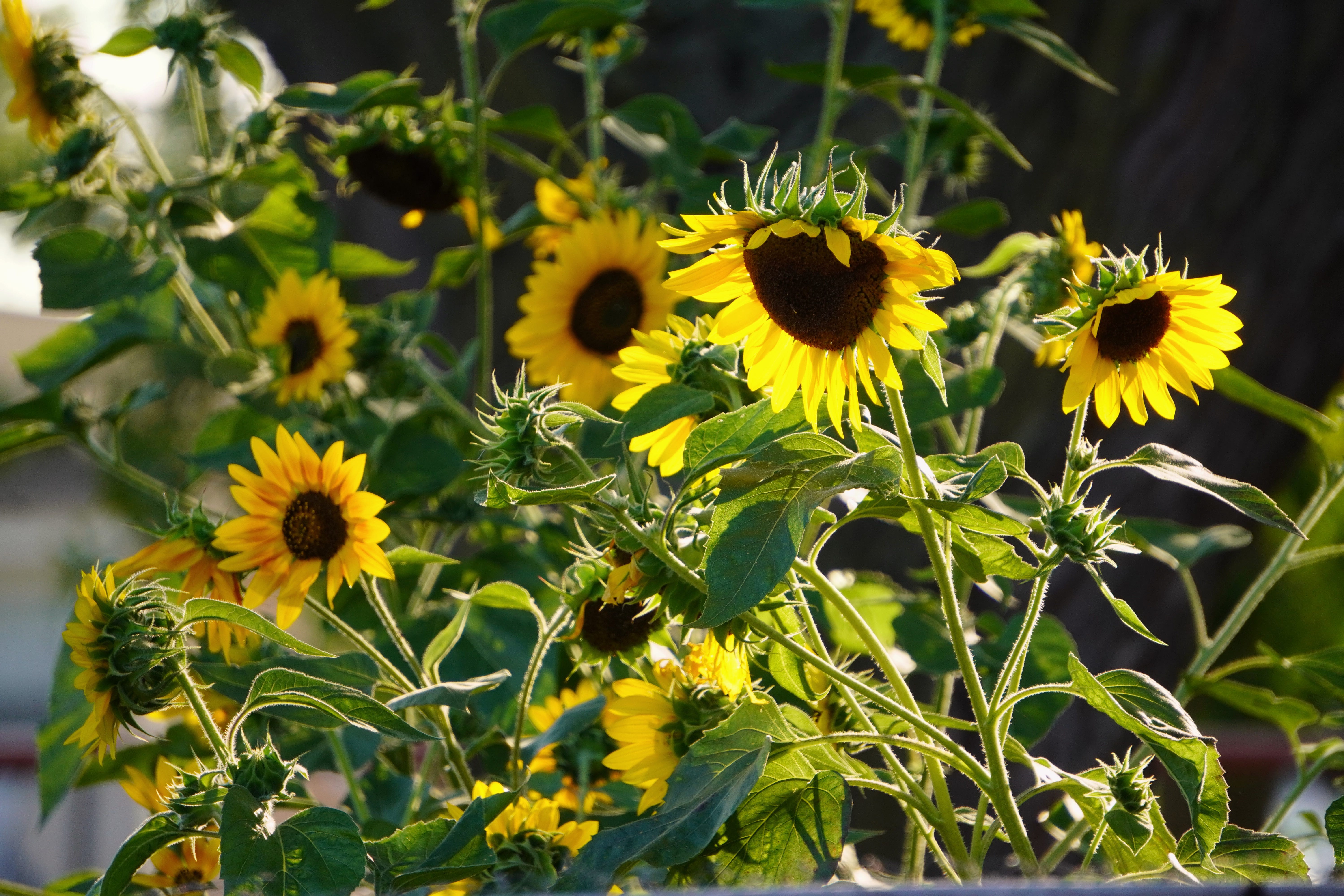
This month is when it finally came to life, and it is so pretty. I love the whimsy it gave our front lawn. There were even a couple sunflowers that I thought were dwarf varieties, but their blooms ended up being bigger than my head. They’re so large and heavy that their stalks have failed to hold them up. They were a nice surprise, and bonus, the bees love them and regularly sleep in them.


As August comes to an end, the garden looks nothing like it did at its peak in July. It’s faded, overgrown, messy, and imperfect. And yet, I still find so much beauty in it.
Over the years, I’ve had to unlearn what I thought a garden was supposed to look like. I used to think it should be perfectly curated. No weeds. No bugs. Just the pretty side of gardening. But that’s not the purpose of a garden. At least not for me anymore. In my eyes, a garden should be full of bugs and birds. It should be a little wild and imperfect because that means it’s full of life. It’s an ecosystem. And when the end of the gardening season comes and the plants start to fade, it doesn’t mean the garden has failed. It’s simply moving into its next cycle.
Some people may look at our wild garden and yard and only see a mess. But I see food for the birds and insects. I see shelter. I see flowers going to seed and preparing for another season.
I think the garden is teaching me to find peace in the imperfect. Nothing is perfect, even though we’re constantly shown perfectly curated versions of everything. We all have our struggles and imperfections, but that doesn’t make us less than.
Maybe being a little wild and imperfect is the whole point.
Until next month,
Christina
One Last thing….
Before you go, here are a few glimpses into my messy, wild, magical August garden. I hope you find a little beauty in it too. Next up, September.
I'm a huge fine of whimsy and imperfection!!